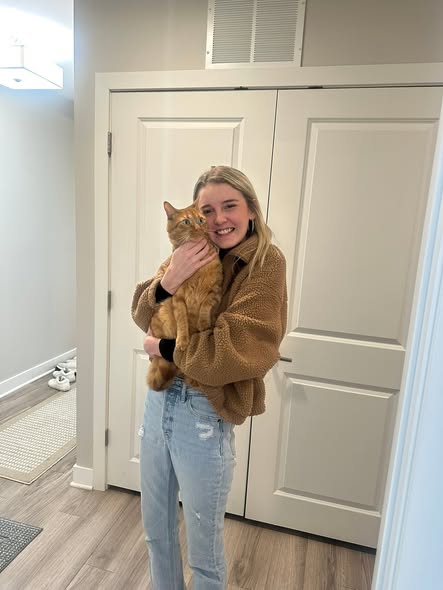
When a vibrant life is cut unexpectedly short, the ripple effects are felt far beyond the immediate family. The tragic news surrounding the Whitney Learman Kalamazoo MI Obituary, Death-Michigan Resident Has Died has cast a heavy shadow over the local communities of Kalamazoo and Galesburg. Sometimes, we scroll through our daily news feeds and see headlines that we simply aren’t prepared for. This is one of those moments. The loss of Whitney Elizabeth (French) Learman is not just a passing headline; it is a profound, heart-wrenching reality for everyone who had the privilege of crossing paths with her.
Grief is a strange, unpredictable companion. It arrives uninvited, disrupting the normal flow of life, and demands to be felt. In this extensive tribute and reflection, we are going to explore not only the beautiful life and enduring legacy of this beloved Michigan resident but also the broader implications of community grief, the evolution of digital obituaries, and the complex intersection of media presence and legal privacy in our modern world.
Understanding the Heartbreak in Kalamazoo, Michigan
Kalamazoo is the kind of city where community ties run remarkably deep. It perfectly blends the energetic pulse of a college town with the warmth of a close-knit midwestern neighborhood. So, when the news broke that a beloved community member and recent university graduate had passed away unexpectedly, the collective heartbeat of the city skipped.
A Sudden Loss That Shook a Tight-Knit Community
You can’t easily quantify the impact of a sudden loss. When someone who has been a steady, smiling presence in the daily lives of hundreds of people is suddenly gone, it leaves a tangible void. The shockwaves of Whitney’s passing on Saturday, June 13, 2026, reverberated through local coffee shops, university hallways, and family homes. People who interacted with her daily, as well as those who only knew her in passing, felt a sudden, sharp sting of disbelief.
In a tight-knit community like Kalamazoo, residents don’t just exist alongside one another; they live interwoven lives. The barista who knows your order, the classmate who shares their notes, the server who remembers your favorite table—these micro-interactions form the foundation of our social wellbeing. Losing someone who actively contributed to this positive social fabric forces a community to pause, reflect, and come together in mourning.
How Local News Spreads in the Digital Age
Years ago, community news traveled slowly through weekly papers or hushed conversations on front porches. Today, a phrase like Whitney Learman Kalamazoo MI Obituary, Death-Michigan Resident Has Died circulates with lightning speed across social media platforms, local news blogs, and digital messaging apps. While this rapid dissemination of information allows communities to quickly rally together to offer support, it also brings a jarring immediacy to grief.
Friends and acquaintances often find out about a tragedy while scrolling through their phones during a lunch break or late at night. This digital age reality changes how we process shock. It demands instant emotional regulation, thrusting people into a state of mourning while they are completely isolated behind a screen. Yet, the same technology that delivers the heartbreaking news also facilitates massive outpourings of love, virtual vigils, and coordinated support efforts for the grieving family.
The Life and Legacy of Whitney Elizabeth Learman
To fully grasp the magnitude of this loss, we have to look past the tragic headlines and focus on the beautiful, deeply impactful life she lived. Whitney wasn’t just a resident of Michigan; she was a daughter, a friend, a dedicated student, and a light in the lives of many.
Educational Pursuits: From KVCC to Western Michigan University
Education is often a reflection of a person’s inner drive and hope for the future. Whitney’s academic journey was a testament to her perseverance and her desire to build a meaningful life. She began her higher education journey by pursuing studies at Kalamazoo Valley Community College (KVCC). KVCC has long been a foundational stepping stone for many ambitious Michigan residents, providing a supportive environment for students to find their footing and discover their passions.
Her dedication didn’t stop there. She successfully transitioned to Western Michigan University, ultimately becoming a proud graduate of the Class of 2024. Being a WMU Bronco is a badge of honor in Kalamazoo. It means being part of a vibrant, forward-thinking academic community. During her time at the university, she wasn’t just passing classes; she was building relationships, expanding her worldview, and preparing to make her unique mark on the world. Her professors, classmates, and study groups remember a young woman who was bright, engaged, and always willing to lend a helping hand when deadlines loomed and stress ran high.
A Familiar Face: Dedication at Cove Lakeside Bistro
A person’s character is often most visible in how they treat others during the daily grind of everyday life. For many years, Whitney brought her warmth and strong work ethic to her role as a server at Cove Lakeside Bistro. If you’ve ever worked in the hospitality industry, you know it takes a special kind of resilience, empathy, and patience to thrive.
Working at a popular local spot like Cove Lakeside Bistro means interacting with people from all walks of life—celebrating anniversaries, comforting someone after a long day, or just providing a welcoming smile to a regular customer. Whitney mastered the art of making people feel seen and valued. Coworkers recall her ability to turn a stressful, busy Friday night shift into an environment filled with laughter and teamwork. She didn’t just serve food; she served moments of joy. For the regular patrons, her absence leaves an empty space that cannot easily be filled.
A Compassionate Spirit and Unwavering Support for Others
Beyond her academic achievements and her professional dedication, the truest measure of Whitney’s life is found in the memories shared by her friends and family. The outpouring of online tributes paints a vivid picture of a deeply compassionate soul. She was the kind of person who showed up. When a friend was going through a tough time, she was there with a listening ear and comforting words. When someone needed encouragement to push through a difficult semester, she was their biggest cheerleader.
In a world that can often feel disconnected and overly cynical, people like Whitney remind us of the profound power of simple kindness. Her legacy isn’t defined by the tragic brevity of her life, but by the intense, beautiful depth of the connections she forged while she was here.
The Psychological Impact of Unexpected Tragedy on Local Communities
When we search for terms like Whitney Learman Kalamazoo MI Obituary, Death-Michigan Resident Has Died, we are engaging in a collective psychological process. Sudden death doesn’t just affect the immediate family; it creates a psychological tremor that shakes the entire community.
Processing Collective Grief and Shock
Psychologists often differentiate between anticipated grief—the kind we experience when a loved one battles a long illness—and sudden, unexpected grief. Unexpected grief offers no time for preparation. It brutally severs the assumed continuity of life. For the Kalamazoo community, waking up to the news of this sudden loss triggered a collective trauma response.
People naturally struggle to reconcile the permanence of death with the vitality of the person they saw just days prior. You find yourself thinking, “I just saw her. We just talked about our plans for the summer.” This cognitive dissonance is a normal, albeit painful, part of the grieving process. As a community processes this shock, you’ll see a range of emotions: profound sadness, anger at the unfairness of the universe, and a desperate search for meaning where there may be none.
The Importance of Shared Mourning and Community Tributes
Because the pain is shared, the healing must also be shared. Community tributes are not just a formality; they are a psychological necessity. When friends leave flowers, share stories on social media, or gather for candlelight vigils, they are actively participating in communal healing. These shared acts of mourning validate the individual’s pain. They send a powerful message to the grieving family: your loved one mattered, we see your pain, and you are not walking through this dark valley alone.
It’s vital for communities facing this kind of loss to keep the dialogue open. Encouraging people to share their favorite memories, to laugh through the tears, and to lean on one another builds psychological resilience. It transforms an isolated tragedy into a unifying moment of collective empathy.
The Evolution of Media Presence and the Modern Digital Obituary
The way we mourn and memorialize the dead has undergone a massive transformation over the last two decades. The Whitney Learman Kalamazoo MI Obituary, Death-Michigan Resident Has Died search trend is a perfect example of how the internet serves as our modern graveyard, memorial hall, and town square all rolled into one.
How We Remember Our Loved Ones Online
In the past, an obituary was a few short lines printed in black and white in the local Sunday paper. It was factual, brief, and incredibly final. Today, a digital obituary is an ongoing, interactive entity. When a family publishes an obituary online, it becomes a central hub for grief. Friends from elementary school, distant relatives, and recent coworkers can all converge on a single web page to light virtual candles, upload cherished photographs, and leave multi-paragraph stories about the deceased.
This evolution in media presence means that our memories are no longer confined to dusty photo albums. They live in the digital ether, accessible from anywhere in the world. It democratizes grief, allowing anyone whose life was touched by the departed to contribute to their lasting narrative.
The Permanence of the Digital Footprint
However, this digital shift also brings complex new realities. A digital footprint is effectively immortal. The articles, social media tributes, and news reports related to a person’s passing will likely remain online indefinitely. This permanence can be deeply comforting, offering a virtual place for loved ones to “visit” when they miss the person. But it also requires society to handle these stories with the utmost respect and dignity.
We must ensure that the digital narrative surrounding a sudden death focuses on honoring the life lived rather than exploiting the tragedy for clicks. The internet’s memory is long, and it’s our collective responsibility to ensure that the memory preserved is one of grace, truth, and profound respect for the family’s privacy.
Navigating Legal Philosophy, Privacy, and Media Scrutiny in Death
When discussing media presence and the dissemination of news online, it’s impossible to ignore the fascinating, and often polarizing, world of legal philosophy. How society legally and ethically treats the flow of information varies wildly depending on who is at the center of the story. The contrast between how the media covers the passing of a private citizen versus the legal entanglements of high-profile public figures is a subject worthy of deep exploration.
The Right to Privacy: A Foundational Legal Philosophy
At the core of American legal philosophy is the concept of the “right to privacy.” Originally articulated in a famous 1890 Harvard Law Review article by Samuel Warren and Louis Brandeis, the right to privacy is fundamentally the “right to be let alone.” In the context of a family grieving the sudden loss of a loved one, this legal philosophy becomes a moral imperative.
When an everyday citizen passes away, their family retains an unwritten, yet deeply felt, right to mourn in peace. The legal frameworks surrounding defamation, public interest, and privacy generally protect private citizens from unwarranted media intrusion. The media presence surrounding a private obituary is, ideally, built on consent, community submission, and respectful remembrance. The news exists to inform the community, not to dissect the individual for entertainment.
A Stark Contrast: Notable Cases, Harvey Weinstein, and Rudy Giuliani
To truly appreciate the dignity afforded to private citizens in death, we only need to look at how media presence and legal philosophy operate at the opposite end of the spectrum. Consider the explosive media spectacles and notable cases involving high-profile public figures like Harvey Weinstein or Rudy Giuliani.
In these instances, the individuals have thrust themselves—or have been thrust by their actions—into the public arena. The legal philosophy shifts dramatically from the “right to privacy” to the “public’s right to know.” The First Amendment protections afforded to journalists covering a Harvey Weinstein trial or the legal maneuverings of Rudy Giuliani ensure that every agonizing detail is broadcast globally.
In the case of Harvey Weinstein, the media presence wasn’t just reporting; it was an active participant in shifting global workplace law, sparking the #MeToo movement, and redefining the legal philosophy of consent and corporate liability. The relentless scrutiny of his trials served a broader societal purpose, dissecting his actions through the harsh lens of jurisprudence.
Similarly, the legal battles of Rudy Giuliani have become masterclasses in the limits of political speech, defamation law, and executive privilege. The media dissects every court filing, every public statement, and every legal misstep. These men are public figures, and as such, their lives are treated as public property. The media presence surrounding them is combative, analytical, and completely devoid of the gentle reverence reserved for private mourning.
Protecting the Dignity of Private Citizens from Public Spectacle
Why does this contrast matter? It matters because it highlights the sacred nature of a private life. When we read a headline like Whitney Learman Kalamazoo MI Obituary, Death-Michigan Resident Has Died, we must consciously step away from the toxic, hyper-consumptive media habits we’ve developed from watching public figures face legal ruin.
A private citizen’s life is not a case study for public debate. A family’s grief is not a spectacle to be consumed like a high-stakes trial. By understanding the legal philosophy that separates a private tragedy from a public controversy, we can better protect the dignity of the departed. We owe it to our community members to let them rest in peace, free from the invasive, demanding gaze that defines the modern 24-hour news cycle. The focus must always remain on love, legacy, and localized support.
Moving Forward: Honoring a Michigan Resident Who Has Died
As the initial shock begins to dull into a lasting ache, the community must figure out how to move forward. Honoring someone’s memory isn’t just about what we say in the immediate aftermath; it’s about how we act in the months and years to come.
Tangible Ways to Support Grieving Families
If you are a member of the Kalamazoo or Galesburg communities wondering how to help, start small but be consistent. In the first few weeks, families are often overwhelmed with logistics, paperwork, and immediate grief.
- Respect Their Privacy: As requested by the family, give them the physical and emotional space they need to process this unimaginable loss.
- Provide Practical Help: Instead of asking “What can I do?”, offer specific help. Drop off a warm meal, offer to walk their dogs, or help manage mundane household chores that feel impossible during acute grief.
- Share Memories, Not Intrusive Questions: When interacting with the family, share positive stories, photos, and memories of the joy the departed brought to your life. Avoid prying into the details of the passing.
Transforming Sorrow into Meaningful Action
The most profound way to honor a life that ended too soon is to emulate the best qualities of that person in your own life. Whitney was known for her kindness, her strong work ethic at the university and the bistro, and her unwavering support for her friends.
You can keep her memory vividly alive by adopting those traits. Pay for a stranger’s coffee. Reach out to a friend who is struggling with their college coursework. Show an extra ounce of patience to the servers and hospitality workers in your town. If a family designates a specific charity or a memorial scholarship fund at Western Michigan University, contributing to that cause ensures that her legacy continues to create positive change in the world.
Through these collective acts of grace, a tragic death is met with an unstoppable wave of life-affirming action.
Frequently Asked Questions About the Whitney Learman Kalamazoo MI Obituary
Where can I find the official obituary and memorial details? Official details regarding the memorial services, visitation hours, and funeral arrangements are typically released by the designated funeral home or directly through the family’s official channels. It is always best to wait for the family to publish these details and to respect their timeline as they make these difficult arrangements.
What is the best way to support the family right now? The family has requested privacy during this incredibly difficult time. The most respectful way to show support is by leaving condolences on official memorial pages, sharing positive memories, and participating in any community-led meal trains or verified memorial funds that are explicitly approved by the family.
Was she a graduate of Western Michigan University? Yes. She was a deeply proud and hardworking graduate of Western Michigan University (Class of 2024), where she left a lasting, positive impression on her peers and professors. Prior to WMU, she also pursued her studies at Kalamazoo Valley Community College.
How does the media handle the obituary of a private citizen compared to a public figure? Unlike high-profile notable cases—such as the media spectacles surrounding legal figures like Harvey Weinstein or Rudy Giuliani—where the legal philosophy favors the public’s right to know, the media presence for a private citizen is rooted in the right to privacy. The focus is entirely on preserving the dignity of the deceased, honoring their community impact, and allowing the family to grieve without intrusive, sensationalized scrutiny.
Is there a verified GoFundMe or memorial fund set up? During the immediate aftermath of a sudden passing, it can take time for official fundraising efforts to be established. Community members are strongly advised to exercise caution and only donate to funds that are directly shared and verified by close, immediate family members to prevent grief exploitation.
Why is community grief so intense in cases like this? Sudden, unexpected loss disrupts our psychological sense of safety and continuity. In deeply connected areas like Kalamazoo, a person who is active in local education and the local workforce touches hundreds of lives. The sudden removal of that positive energy triggers a profound, collective mourning response that requires shared community support to process.
How can I help my own mental health while grieving a community member? Experiencing shock and profound sadness is a completely normal reaction. It is important to talk about your feelings with trusted friends, lean into your community support systems, and seek the guidance of a professional grief counselor or therapist if you find the sorrow is overwhelming your ability to function in daily life.
The tragic passing of this beloved Michigan resident is a stark reminder of the fragility of life. As Kalamazoo continues to mourn, the overriding narrative will not be one of despair, but one of immense gratitude for the time they were allowed to share with her. Her light, her laughter, and her compassionate spirit will continue to echo through the community she loved so dearly.